
START RIGHT NOW
PET ID’s ARE IMPORTANT
Increase your chances of being reunited with your pet by ADDING identification tags to your dog or cat’s collar or consider getting them micro-chipped. Make sure the microchip registration is in your name. However, after a natural disaster, the average citizen who finds your pet won’t be able to scan for a chip, so a basic Pet ID Tag would be a better choice!
Also, another great suggestion would be putting your cell phone number and a friend/relative (in case of evacuation) on your pet’s tag.
GET A DISASTER KIT READY
Assemble an emergency kit for yourself and your pet..
Basic Disaster Kit Includes:
• Food and water for at least five days
• Medications and medical records
• Cat litter box, litter, litter scoop and garbage bags
• Sturdy leashes, harnesses and carriers
• Current photos of you with your pets and descriptions of your pets
• Written information about your pets’ feeding schedules, medical conditions and behavior issues along with the name and number of your veterinarian
PLAN TO HAVE A SAFE PLACE TO STAY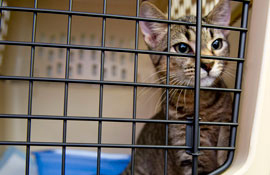
Some shelters do not allow pets. Before a disaster hits, call your local office of emergency management to see if there will be shelters in your area that take people and their pets.
You can also try and contact hotels and motels outside your immediate area to find out if they accept pets. Remember to Ask about any restrictions on number, size and species. Inquire if a “no pet” policy would be waived in an emergency. Always call ahead for a reservation as soon as you think you might have to leave your home.
For help identifying pet-friendly lodgings, check out these websites:
• Dogfriendly.com
• Doginmysuitcase.com
• Pet-friendly-hotels.net
• welcomepets.com
• Tripswithpets.com
• Bringfido.com
Stay with family or friends. Plan to ask your family/friends outside your immediate area if they would be able to shelter you and your pets—or just your pets—if necessary. It is possible that if you have more than one pet, you may need to arrange to house them at separate locations.
Consider a kennel or veterinarian’s office. Make a list of boarding facilities and veterinary offices that might be able to shelter animals in disaster emergencies (make sure to include their 24-hour telephone numbers).
Check with your local animal shelter. Some shelters may be able to provide foster care or shelter for pets in an emergency. But keep in mind that shelters have limited resources and are likely to be stretched during a local emergency.
PLAN FOR YOU PET IN CASE YOU ARE NOT HOME
In case you’re away during a disaster or evacuation order, make arrangements well in advance for someone you trust to take your pets and meet you at a specified location. Be sure the person is comfortable with your pets and your pets are familiar with them. Give your emergency caretaker a key to your home and show them where your pets are likely to be (especially if they hide when they’re nervous) and where your disaster supplies are kept.
If you have a pet-sitter, they may be able to help. Discuss the possibility well in advance.
IF YOU EVACUATE, TAKE YOUR PET 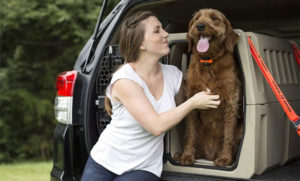
If it isn’t safe for you, it isn’t safe for your pets. You have no way of knowing how long you’ll be kept out of the area, and you may not be able—or allowed—to go back for your pets. Pets left behind in a disaster can easily be injured, lost or killed.
Evacuate Early. Don’t wait for a mandatory evacuation order in natural disaster situations. Some people that have waited to be evacuated by emergency officials unfortunately have been told to leave their pets behind. Evacuating before conditions become so severe will keep everyone safer and make the process less traumatic.
IF YOU STAY HOME, BE SAFE
If your family and pets must wait out a storm or other disaster at home, find the safest area of your home where you can all stay together.
• Close off or eliminate unsafe small corners and openings where animals may try to hide in.
• Move dangerous items such as tools or toxic products from your safe area.
• Bring your pets indoors.
• If you have a room you can designate as a “safe room,” put your emergency supplies in that room in advance, including your pet’s crate and supplies. Have any medications and a supply of pet food and water inside watertight containers, along with your other emergency supplies. If there is an open fireplace, vent, pet door or similar opening in the house, close it off with plastic sheeting and strong tape.
• Listen to the radio, and stay indoors until you know it’s safe.
AFTER THE DISASTER
Your home may be a very different place after the emergency is over, and it may be hard for your pets to adjust.
• Don’t allow your pets to roam loose.
• While you assess the damage, keep dogs on leashes and cats in carriers inside the house.
• Be patient with your pets after a disaster.
• If your community has been flooded, check your home and yard for wild animals who may have sought refuge there.
EVERYDAY EMERGENCIES
CAN’T GET HOME TO PET
Icy roads making arrangements now:
• Find a trusted neighbor, friend or family member and give them a key. Make sure this backup caretaker is comfortable and familiar with your pets (and vice versa).
• Make sure your backup caretaker knows your pets’ feeding and medication schedule, whereabouts and habits.
• If you use a pet-sitting service, find out in advance if they will be able to help in case of an emergency.
HEATWAVE
High temperatures can be dangerous.
THE ELECTRICITY GOES OUT
If you’re forced to leave your home because you’ve lost electricity, take your pets with you. Sweltering heat and extreme cold can be dangerous. If you stay at home during a summer power outage, ask your local emergency management office if there are pet-friendly cooling centers. If it’s winter, don’t be fooled by your pets’ fur coats; it isn’t safe to leave them in an unheated house.
PREVENTATIVE PLANS AREN’T JUST FOR PETS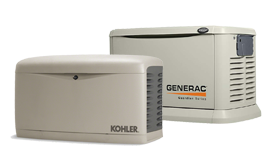
Disaster plans aren’t only essential for the safety of pets. Following the above tips could greatly help your entire family. Also, if you’re responsible for other kinds of animals during natural disasters, disaster plans for feral or outdoor cats, horses and animals on farms can be lifesavers.
Another Preventive Source is Generator Investment. Generators are an ideal preventative plan for loss of electricity that families, including pets and animals, so greatly rely on daily.
Let our Generator Services contribute to help in your preventative planning!
Call Innovative Electric Today!
908-879-7078