
After living in the Northeast there is one thing we learn from the past falls and winters, the weather can get ugly fast. Homeowners who are not prepared can end up with major problems and repair bills. Now is a great time to get ready for the storms ahead.
KNOW YOUR SURROUNDINGS
Walk around the exterior of your house and look for loose or missing roof shingles or siding panels, clogged or loose gutters, or overhanging tree limbs. Clear any debris collected in gutters or the valleys of the roof. If you cannot see the entire roof from the ground, hire a roofing or gutter contractor to make an inspection. Repair problems before bad weather arrives.
Check your yard for outdoor furniture, grills and playground equipment not anchored to the ground can cause serious damage during high winds. Plan to store these things in a garage or shed.
Be proactive inspecting your roofing, siding and gutters. If a minor problem exists and is overlooked, a winter storm producing a foot of snow could intensify the situation, therefore becoming more serious than the original. If you do experience storm damage early in the season, get it fixed as soon as possible.
HOME GENERATOR POWER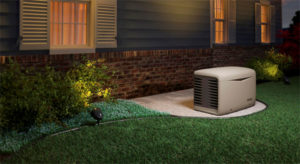
Fall and winter storms can easily knock out electric power to your home, your street, and even your entire town. This is the reason for the steady increase in generator sales.
Generators fall into two extensive categories: portable and stationary, also called a “standby” generator.
The portable model should be placed outside (never indoors or where the exhaust can blow indoors) and then use extension cords to connect it to the items you want to power. Portable generators usually run on gasoline or propane.
The standby model is installed on the property and wired to the house’s electrical panel through a transfer switch. As soon as you lose power, the generator switches on, automatically disconnects the house from the utility-company grid and connects to the house’s electrical service. When power is restored, the generator switches off and opens the connection to the electric grid. The Standby models can run on gasoline or propane and also can connect directly to a natural gas line.
WHAT TYPE OF GENERATOR DO YOU NEED?
Generators range by the number of watts they produce. Those for residential homes usually range from small portables that produce 1,000 watts up to 22,000 watts and higher for standby generator models. Electricians use the terminology of kW for kilowatt, so 1,000 watts is the same as 1kW.
There is two standard ways of sizing a generator. One is to calculate all the circuits you want to run in the house like your heating system, the sump pump and the refrigerator. Then you would size the generator to that total. The second way is to install are whole-house generator, where people can use anything in the house.
While a large automatic generator is a large investment, remember that a home generator will help keep your household humming along no matter what the weather has in store this fall and winter.
GENERATOR PLACEMENT
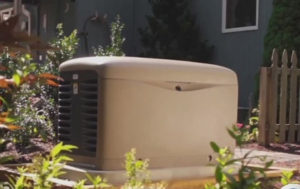 Installing a standby generator is subject to regulations as any other home construction project. The installation also follows setback requirements and will require a building permit. The generator cannot be installed within five feet of any opening into the house, which includes windows, doors and even dryer vents. It has to be placed on at least 3 inches of 1/2-inch gravel, but most are set on concrete pads. A generator can be installed at any time, however making it part of a major renovation or new construction is most inexpensive.
IMPORTANT GENERATOR PREVENTATIVE MAINTENANCE
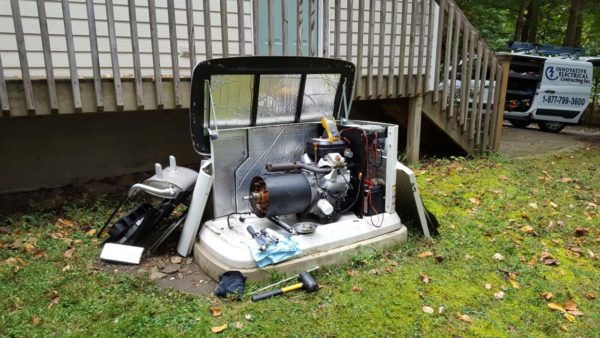
After generator installation, generator preventative maintenance is an important aspect to keep your generator functioning properly. If you haven’t had your generator maintained in a while, you may not realize that there are parts that need to be repaired or replaced in order for your generator to be in good working order. Some of the steps taken to ensure smooth generator operation:
• Basic inspection
• Lubrication service
• Cooling system service
• Fuel system service
• Servicing and testing batteries
• Engine exercise
It is generally a good idea to establish and adhere to a schedule of maintenance /service based on the specific power application and the severity of the environment.
Don’t Get Caught In The Dark, please contact
Innovative Electric Today!
908-879-7078
https://www.northjersey.com/community-news/home-and-gardening/get-set-to-weather-the-fall-and-winter-storms-1.1403112